Gai Goi: A Comprehensive Guide to Vietnam’s Popular Spring Rolls

Daniel Avila
Published Aug 18, 2026
In the bustling street food scene of Vietnam, few dishes capture the essence of fresh, vibrant cuisine quite like gai goi. Often translated as "Vietnamese spring rolls" or "fresh spring rolls," these translucent parcels of rice paper wrapped around a medley of herbs, shrimp, pork, and vermicelli noodles are a staple from Hanoi to Ho Chi Minh City. But what exactly makes gai goi so special, and why has it become a global sensation? This article peels back the layers—literally and figuratively—to explore the history, ingredients, regional twists, and cultural significance of this iconic dish.
What Exactly Is Gai Goi?
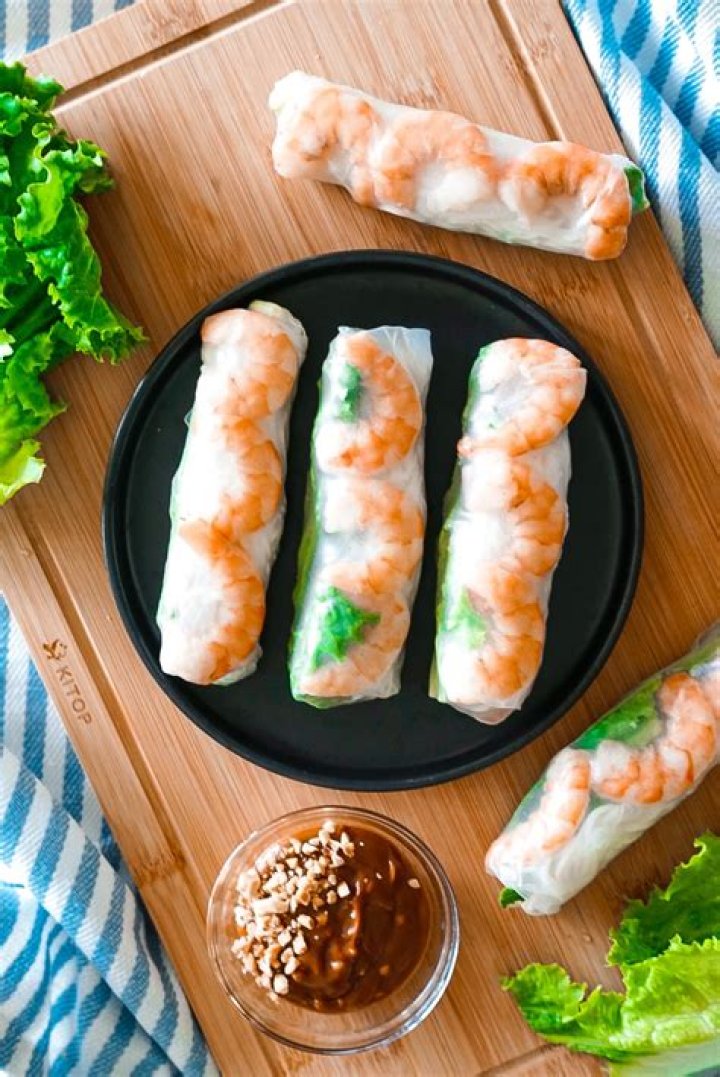
At its core, gai goi refers to fresh, uncooked spring rolls made from bánh tráng (rice paper). Unlike their deep-fried cousins (chả giò or nem rán), gai goi are served cold or at room temperature, offering a crisp, refreshing bite. The name itself is a bit of a puzzle: "gai" can mean "girl" in some contexts, but here it likely derives from a regional pronunciation or a playful nickname. In standard Vietnamese, these rolls are more commonly called gỏi cuốn (salad rolls) or nem cuốn (rolled spring rolls).
The rolls are typically filled with cooked shrimp, slices of pork belly, fresh herbs like mint and cilantro, lettuce, and bún (thin rice vermicelli). They are dipped in a rich, savory peanut sauce or a lighter nước chấm (fish sauce dip). The result is a harmonious balance of textures—chewy rice paper, tender protein, crunchy vegetables, and soft noodles—all tied together by a punchy sauce.
The Origins and History of Gai Goi
Spring rolls have a long history across East and Southeast Asia, but the Vietnamese version—particularly the fresh, unfried style—has a distinct lineage. Historical records suggest that rice paper wrapping originated in China, but the Vietnamese adapted it using local ingredients like fresh herbs and fish sauce. The exact birthplace of gai goi is debated, but many food historians point to the Mekong Delta region in southern Vietnam, where fresh produce is abundant year-round.
During the French colonial period, Vietnamese cuisine absorbed European influences, but the spring roll remained a purely indigenous creation. By the mid-20th century, gai goi had become a common street food, sold by vendors balancing baskets of rolls on bamboo poles. Today, it is a symbol of Vietnamese culinary identity, recognized worldwide as a healthy, flavorful dish.
Interestingly, the term "gai goi" is less formal than "gỏi cuốn." It is often used in casual conversation or by older generations in certain provinces. This linguistic nuance adds a layer of cultural richness to the dish.
Key Ingredients That Define Gai Goi
The beauty of gai goi lies in its simplicity and freshness. Each component plays a critical role. Here is a breakdown of the essential ingredients:
- Rice Paper (Bánh Tráng): Thin, translucent sheets made from rice flour, water, and tapioca starch. They soften when dipped in water and become pliable for wrapping.
- Protein: Traditionally, cooked shrimp (often left whole or halved) and thinly sliced pork belly. Some variations use grilled pork, chicken, or tofu.
- Herbs: Mint, cilantro, and sometimes Thai basil or perilla. These provide a burst of freshness.
- Vegetables: Lettuce, bean sprouts, and julienned carrots or cucumber add crunch.
- Noodles: Bún (thin rice vermicelli) gives the roll body and a soft texture.
- Dipping Sauce: The most common is tương đen (hoisin-based peanut sauce) with crushed peanuts and chili. Alternatively, nước chấm (fish sauce, lime, sugar, garlic, chili) offers a lighter, tangier option.
Quality matters. Fresh herbs should be vibrant, shrimp should be sweet, and the rice paper must be pliable without tearing. A poorly made roll falls apart; a well-made one holds together like a delicate package.
Regional Variations of Gai Goi
While the basic concept remains consistent, gai goi changes subtly across Vietnam. In the north (Hanoi), rolls are smaller, with a higher herb-to-noodle ratio, and are often served with a lighter fish sauce dip. In the south (Ho Chi Minh City), rolls are larger, packed with more noodles and pork, and paired with a thick, sweet peanut sauce. Central Vietnam adds a spicy twist, sometimes incorporating chili or lemongrass into the filling.
Outside Vietnam, fusion versions have emerged. In the United States, for example, you might find gai goi with avocado, mango, or even grilled beef. These adaptations honor the original while catering to local palates.
How Gai Goi Compares to Other Spring Rolls
Spring rolls are a global phenomenon, but not all are created equal. The table below highlights key differences between gai goi and its relatives:
| Type | Wrapper | Cooking Method | Filling | Dipping Sauce |
|---|---|---|---|---|
| Gai Goi (Vietnamese Fresh Spring Rolls) | Rice paper (bánh tráng) | Uncooked (served cold) | Shrimp, pork, herbs, vermicelli | Peanut sauce or nước chấm |
| Chả Giò (Vietnamese Fried Spring Rolls) | Rice paper or wheat wrapper | Deep-fried | Ground pork, mushrooms, carrots | Sweet chili sauce or nước chấm |
| Chinese Spring Rolls | Wheat flour wrapper | Deep-fried | Vegetables, sometimes meat | Plum sauce or soy sauce |
| Thai Fresh Spring Rolls | Rice paper | Uncooked | Shrimp, mango, basil, glass noodles | Sweet chili sauce |
What sets gai goi apart is its reliance on fresh herbs and the dual-sauce tradition. The peanut sauce, in particular, is a signature that many other cuisines lack.
Health Benefits and Nutritional Profile
Gai goi is often hailed as a healthy street food option. A typical roll (about 100 grams) contains roughly 100–150 calories, depending on the filling. It is low in saturated fat, high in fiber from vegetables, and provides lean protein from shrimp and pork. The herbs add antioxidants and vitamins A and C.
However, there are caveats. The dipping sauce can be high in sugar and sodium, especially the peanut version. For a lighter meal, opt for nước chấm or ask for sauce on the side. Also, the rice paper itself is gluten-free, making gai goi suitable for those with celiac disease or gluten sensitivity.
Nutritionists often recommend gai goi as a balanced meal because it combines carbohydrates (noodles), protein, and vegetables in one portable package. It is a far cry from the deep-fried, calorie-dense alternatives.
How to Make Gai Goi at Home: A Step-by-Step Guide
Making gai goi at home is surprisingly simple, though it requires a bit of practice to master the rolling technique. Here is a basic method:
- Prepare the filling: Cook shrimp and pork belly until done. Slice pork thinly. Soak vermicelli in hot water until soft, then drain. Wash and dry herbs and lettuce.
- Soften the rice paper: Dip a sheet of bánh tráng into a bowl of warm water for 2–3 seconds. It should become pliable but not too soft. Lay it flat on a clean surface.
- Assemble: Place a small handful of vermicelli, a few herbs, a piece of lettuce, a slice of pork, and a shrimp (cut side up for presentation) near the bottom edge of the rice paper.
- Roll tightly: Fold the bottom edge over the filling, then fold in the sides. Roll upward, keeping tension even. The rice paper will seal itself.
- Serve immediately: Gai goi are best eaten within an hour of making. Serve with peanut sauce or nước chấm.
Common mistakes include over-soaking the rice paper (it becomes sticky and tears) or overfilling (the roll bursts). Practice makes perfect.
Where to Find the Best Gai Goi
If you are traveling in Vietnam, the best gai goi is often found at street stalls or small family-run restaurants. In Hanoi, head to Bún Chả Hương Liên or any vendor near Hoàn Kiếm Lake. In Ho Chi Minh City, the area around Bến Thành Market is a hotspot. Look for stalls where the rolls are made to order—freshness is non-negotiable.
Internationally, Vietnamese communities in cities like Los Angeles, Sydney, London, and Paris have established restaurants that serve authentic gai goi. Chains like Pho Hoa or independent eateries often include them on the menu. When ordering, ask if the rolls are made fresh daily and what sauce they serve.
Price-wise, a plate of two to four rolls typically costs between $3 and $6 in Vietnam, and $8 to $12 abroad. The price reflects the quality of ingredients and the skill of the roller.
Common Misconceptions About Gai Goi
Despite its popularity, several myths surround gai goi. One is that it is always vegetarian. While vegetable-only versions exist, the traditional recipe includes shrimp and pork. Another misconception is that all spring rolls are fried. Gai goi is explicitly fresh and uncooked. Finally, some believe that the rice paper is eaten raw—it is actually softened in water, making it chewy but not raw.
Understanding these nuances helps diners appreciate the dish on its own terms.
Frequently Asked Questions About Gai Goi
What is the difference between gai goi and gỏi cuốn?
They are essentially the same dish. "Gai goi" is a colloquial or regional term, while "gỏi cuốn" is the standard Vietnamese name. Both refer to fresh spring rolls.
Can gai goi be made vegan?
Yes. Substitute shrimp and pork with tofu, mushrooms, or additional vegetables. Use a vegan dipping sauce made from hoisin sauce and peanut butter.
How long do gai goi last in the fridge?
They are best eaten fresh. If stored, wrap them individually in plastic wrap and refrigerate for up to 24 hours. The rice paper will harden and become less pleasant.
What is the best dipping sauce for gai goi?
It depends on preference. Peanut sauce (tương đen) is rich and popular in the south. Nước chấm (fish sauce dip) is lighter and more traditional in the north.
Are gai goi gluten-free?
Yes, because rice paper is made from rice flour and tapioca starch. However, always check the dipping sauce, as some brands of hoisin sauce contain wheat.
Why do my spring rolls fall apart?
This usually happens if the rice paper is over-soaked or if the roll is not tight enough. Use warm water, not hot, and roll with even pressure.
The Cultural Significance of Gai Goi in Modern Vietnam
Gai goi is more than just food; it is a cultural artifact. In Vietnamese households, making spring rolls is often a communal activity, especially during Tết (Lunar New Year) or family gatherings. Everyone sits around a table, dipping rice paper and assembling their own rolls. This interactive dining experience fosters connection and conversation.
In recent years, gai goi has also become a symbol of Vietnamese culinary diplomacy. It appears on menus at international food festivals and has been featured in global media as a healthy, accessible introduction to Vietnamese cuisine. Chefs like Anthony Bourdain and Luke Nguyen have praised its simplicity and depth of flavor.
Yet, as Vietnam modernizes, the traditional street vendor faces competition from upscale restaurants and fast-food chains. Preserving the authentic, handmade quality of gai goi remains a challenge—and a priority for food purists.
Final Thoughts on Gai Goi
From its humble origins on the streets of Vietnam to its status as a global culinary icon, gai goi embodies the principles of fresh, balanced, and communal eating. Whether you are a seasoned traveler or a home cook experimenting with new flavors, these spring rolls offer a gateway into the heart of Vietnamese cuisine. The key is to respect the ingredients, master the technique, and enjoy the process. Next time you bite into a perfectly wrapped gai goi, remember that you are tasting centuries of tradition, one fresh roll at a time.